Category: Blog

  • Step Into Better Health: Why Walking Might Be the Most Underrated Workout

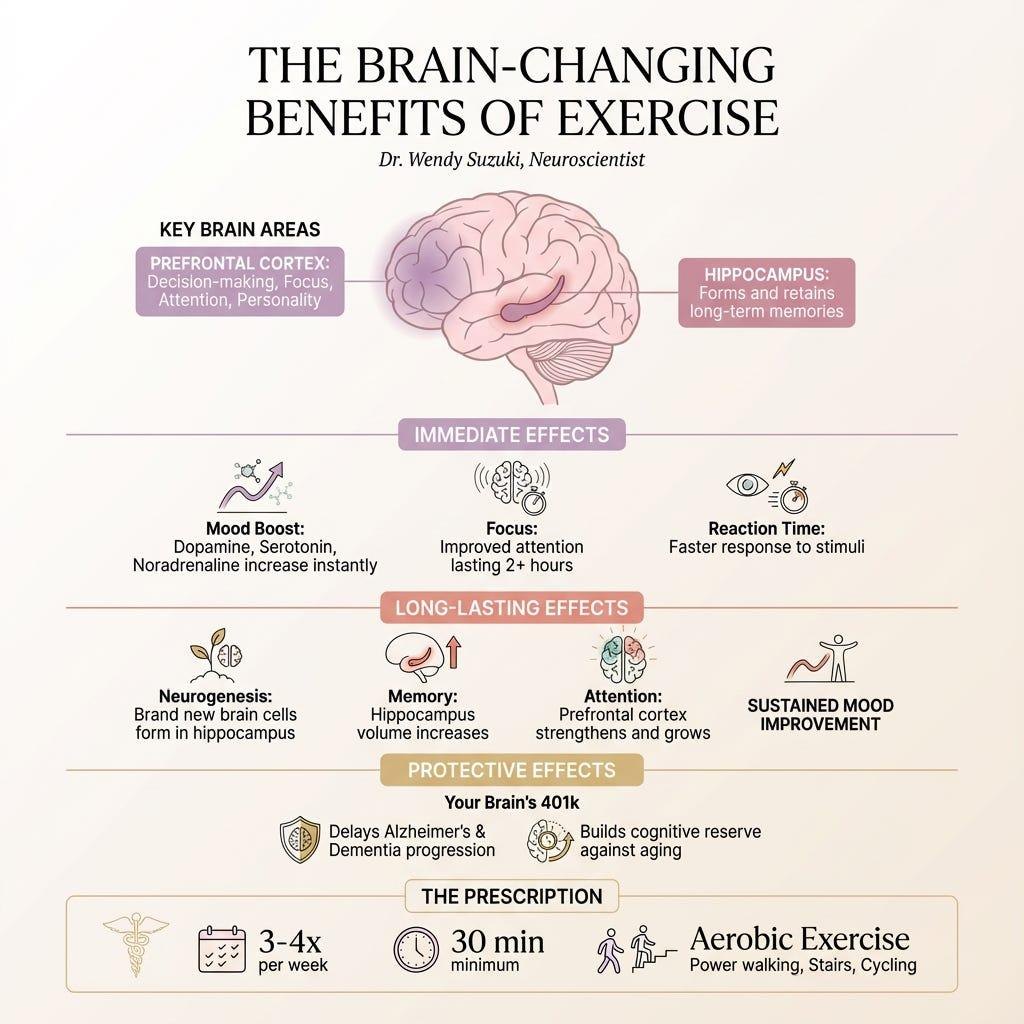
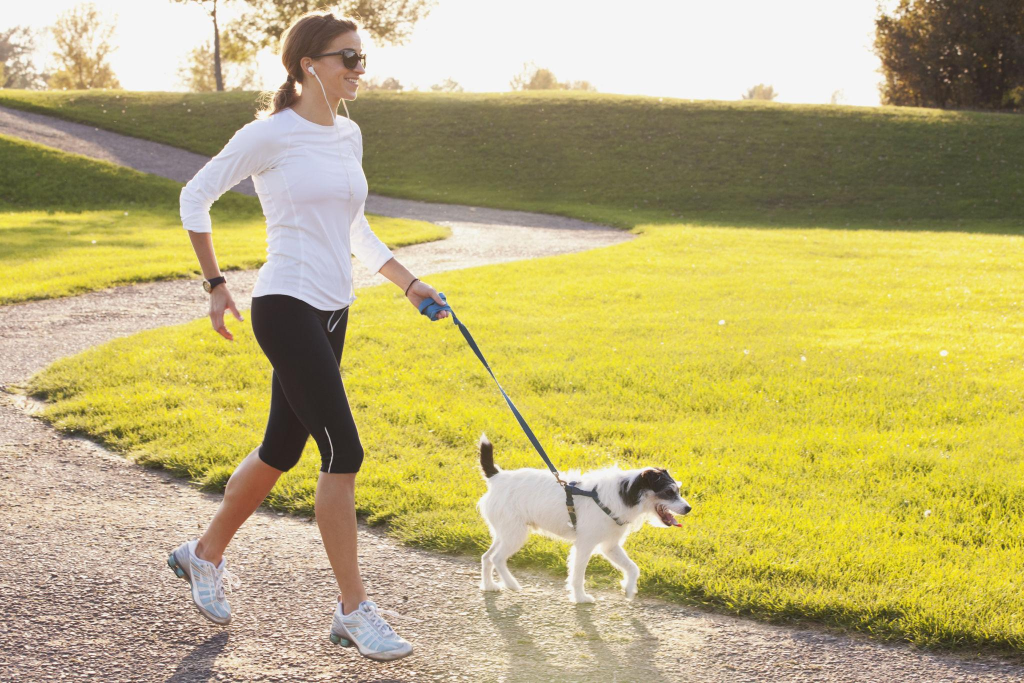
    Walking is often overlooked in the fitness world, but it may be one of the most powerful tools for improving your health, mood, and longevity. At Union Studio, we believe fitness should feel sustainable, approachable, and effective — and walking checks every box.

    Whether you’re just starting your fitness journey, recovering from injury, or looking to improve your overall wellness, adding regular walks into your routine can create major results over time.

    Why Walking Works

    According to the Mayo Clinic, regular brisk walking can help:

    • Improve cardiovascular health
    • Reduce stress and anxiety
    • Strengthen muscles and bones
    • Improve balance and coordination
    • Boost mood and energy levels
    • Support healthy weight management
    • Improve sleep and cognitive function

    One of the biggest benefits? Walking is low-impact and accessible for nearly everyone.

    Walking and Longevity

    Fitness experts and health professionals consistently rank walking among the best forms of exercise for long-term health. Studies show that even moderate walking can lower the risk of chronic diseases and support healthy aging.

    You don’t need extreme workouts to improve your fitness. Consistency matters more than intensity.

    What Top Influencers Say About Walking

    Fitness influencer Chris Hemsworth has spoken openly about prioritizing daily movement, recovery, and sustainable training habits over constant high-intensity workouts. Many top trainers now encourage walking as part of a balanced fitness routine because it supports recovery while keeping the body active.

    Walking has also become increasingly popular on social media because it’s realistic, sustainable, and effective for mental health.

    Tips to Make Walking More Effective

    • Aim for 20–30 minutes daily
    • Walk outdoors when possible for mental health benefits
    • Add hills or incline for intensity
    • Swing your arms and maintain good posture
    • Listen to music or a podcast to stay motivated
    • Walk with a friend for accountability

    Even breaking your walks into shorter sessions throughout the day can make a difference.

    Walking for Mental Health

    Walking isn’t just physical exercise — it’s mental recovery too. Many people report lower stress levels, improved focus, and better moods after regular walks. Online fitness communities frequently call walking the “most underrated health hack.”

    Simple. Sustainable. Effective.

    At Union Studio, we believe fitness doesn’t have to be extreme to be life-changing. Walking is proof that small daily habits can create lasting results.

    The best workout is the one you can consistently do — and walking is one of the easiest ways to start improving your health today.

    Ready to build healthier habits and feel stronger every day?

    Union Studio can help you create a personalized fitness plan that fits your lifestyle and goals.

    Contact Union Studio today to schedule your first session and start moving toward better health — one step at a time.

  • How Many Rest Days Should You Have When Training?

    If you’ve ever felt guilty for taking a day off from the gym, you’re not alone. Many people believe that training harder and more often automatically leads to better results. In reality, recovery is where progress actually happens. At Union Studio, we remind clients that rest days are not “lazy days” — they are a critical part of building strength, endurance, and long-term health.

    Why Rest Days Matter

    When you train, your muscles experience microscopic tears. During recovery, your body repairs those muscles so they come back stronger. Without enough rest, your performance can decline, soreness can increase, and your risk of injury rises dramatically. Experts generally recommend taking 1–3 rest days per week, depending on your training intensity and fitness level.

    Signs You May Need More Recovery

    • Constant soreness
    • Low energy during workouts
    • Trouble sleeping
    • Decreased strength or endurance
    • Mood changes or irritability
    • Lack of motivation to train

    Overtraining doesn’t just affect your body — it impacts your nervous system, hormones, and mental health as well.

    So… How Many Rest Days Should You Actually Take?

    Beginner Exercisers

    If you are new to fitness, aim for:

    • 3–4 workout days
    • 2–3 recovery days

    Your body needs extra time to adapt to training stress.

    Intermediate Gym-Goers

    If you consistently train 4–5 days per week:

    • Take at least 1–2 full rest days
    • Add active recovery like walking or yoga

    Advanced Athletes

    Even experienced athletes need recovery:

    • Most benefit from 1 full rest day weekly
    • Rotate muscle groups and include deload weeks

    Research also suggests waiting about 48 hours before training the same muscle group intensely again.

    Active Recovery vs Complete Rest

    Not every rest day means sitting on the couch all day.

    Active Recovery Ideas

    • Walking
    • Stretching
    • Yoga
    • Mobility work
    • Light cycling
    • Foam rolling

    These activities increase circulation and can help reduce stiffness while still allowing the body to recover.

    https://images.openai.com/static-rsc-4/ZdDGihbxEZUDWumYoHqIiT-2YddTsS_ylIDfWgYvzjeFh_EnB73D0zk_cM_wXCazbv1gjS0wdx9IEF-lkSWTTH0BVSosi6ZW8Zk1KNgGA-5kKEEveUZdgRbD7PDcAwwwZGx41rqYXxT8ajlGt4KW6prCoNQorhBzXTYD2PfXetDPVT0iS10IVN2ErATK0119?purpose=fullsize
    https://images.openai.com/static-rsc-4/vCxOFY1gnlwe_okI0Qso3ND2GdN0SPyXARLb5Hq06PBFb-XquV1iv_9lfOIqCinbUHJ_FhIvL86J8LEtTBzOOLJisEzisvjFdSTfWuLupCDTwq6Y-Jd_9iAw4rF1i3V7D99uO7Jn4fNAZRPRpqk6mSn_cDMwuxBjFK1L6pepz-Xkiskl22DcIeHLQCnO-OPN?purpose=fullsize
    https://images.openai.com/static-rsc-4/9OHKmBunF9l1m1cIns0qdS9uJuvun_c1rK5GNOWPvHF5N1GLIRXz_sWuHJNJDGrUQKLwemqwtxfsxGODgyqAayd5m6sUTzvb1Y1upea6OFGVNO1l53afV34dz3Ucx7prKHSgmMtKSDyJkth9yLGaOBtzgCcs5P8mHg-DC5JHjnbnEaOMhreuS0qinFPqmszp?purpose=fullsize

    What Top Fitness Experts Say

    Fitness influencer and trainer Kayla Itsines often emphasizes that consistency matters more than intensity. Sustainable fitness routines include recovery, hydration, sleep, and proper nutrition — not just hard workouts every day.

    Likewise, trainer Jeff Nippard frequently discusses the science of muscle recovery and how strategic rest improves muscle growth and long-term performance.

    One popular saying in the fitness world says it best:

    “You don’t get stronger from training. You get stronger from recovering from training.”

    That message is echoed throughout fitness communities and recovery discussions online.

    Don’t Ignore Sleep

    Sleep is one of the most overlooked recovery tools. During deep sleep, your body releases growth hormone, repairs tissue, and restores energy stores. Poor sleep combined with excessive training is one of the fastest ways to stall progress.

    https://images.openai.com/static-rsc-4/QImGbrlpWqUcBrsg76xHAsdsMPbNlMOS6Isnipca3rWZ9DYLQCXchrTDsVUAnu8EcJuiRUJ2wXXGPyhGy7kwJtIu5bhNjTQ9LGTXb9DiZiBdupkUvzY_FIrrOS_Fj0VTT_5t4Ezk2hs37FgKfO8HBbvQiBFeu4OeUK7ROuTI4MCee4jnwNGf8A8Cnu9t9B1-?purpose=fullsize
    https://images.openai.com/static-rsc-4/XHD9xGXZx1SB1OJcBDVYljOrvofoOIyhogbJJF8u67DusAdwvkPi43IokxAdl8T5Y3CgrveN6sdmx81MfnwYCdg-QU93V2hCF_aRxJXmUgNDLvpdp8L7in52wMIb6frJpMmR0nbt6D2QzHwKbfEQ0Jyz2lYmv722QpHP2k5SX1W_LO8V9dxSt9zDc70CaOCH?purpose=fullsize
    https://images.openai.com/static-rsc-4/LrSnCNrSvVaJJVcnSAcoysQpenF5KqkwmVnc3NwoVO5Dy4H7DWD4f2fYpCdnTevrwbzAczLwE_6n76VOGjI_Ci5Cur0fO288Pf_67Fv6FqVlL92GzXspEbuV8fh6CQ5yT-1-iU7Mi2bCdJrl5mTozAa62Vjl1689sVYb9G4wyrTv2aEakVrAklRAiu449rf5?purpose=fullsize

    Quality Over Quantity

    More workouts do not always mean better results. Sometimes the strongest thing you can do for your body is take a step back, recover properly, and come back stronger the next day.

    Training smart means balancing:

    • Strength work
    • Cardio
    • Mobility
    • Nutrition
    • Recovery

    That balance creates sustainable results and helps you stay active for years to come.

    Ready to Train Smarter?

    At Union Studio, we help clients build customized fitness plans that include the right balance of training and recovery so they can feel stronger, healthier, and more energized without burning out.

    Whether your goal is weight loss, strength, better mobility, or overall wellness, our trainers can help you create a realistic program that works for your lifestyle.

  • Why Your Spine Health Determines How Long (and Well) You Live

    Your spine is more than just your posture—it’s the foundation of your entire body. At Union Studio, we believe that a strong, healthy spine is one of the most overlooked keys to living a longer, more active life.

    From how you move, to how you age, your spine plays a direct role in your mobility, strength, and longevity.

    The Spine: Your Body’s Lifeline

    https://images.openai.com/static-rsc-4/kjSPRK2hZ-gxMVAIDM4YntrgJUhLQlibQReI5ldUxk48VDI-iFjpM01Oy4Rm7srvMSqwLE3qYsc2qZR8e6T-roaNCA6fcqH_CeZK1n5w8ASjuSKrOiHiGpnskzH8X6MZzRR-0rfengcWm9oDZrRNxc-oHxNe799FMdjuTWXKaeYYQTJ3zJst6V6RyJ_uyKZv?purpose=fullsize
    https://images.openai.com/static-rsc-4/nAxO1HWgYEpirQ5XooCiFxUiQDejCBO6PiUb264PJ6S6Ee61ivghvkpBtgCcI66W7IfBUumpC1QE6ZLY_cWjdEb4yJD6Ge8H83SY85api2asFFqpct74LJWm4wjVrz84deuycbjG3GJ8btuGirOwPHQj4WZ3QOvDAqw9jhKR8lyPTnpaWdNmL4y-QtdcaH-z?purpose=fullsize
    https://images.openai.com/static-rsc-4/QFo9wHHUxdCh2kKKmKjdklqw7Mj149RunpW1q02uVtWiTidX2GQ6w0PqaXHfwFW3sRnL9fVWDPUVMUk3wS6i--D4xU4KSfXD1pZC8o4TirCdWRhyc9b4bPfsWIq4oux3lzkRwDbezBBTRJ8gKFd_QjYrAogz5YeZRBWZvOKhVRfBDmI8PWILDNSkRbVHwpa2?purpose=fullsize

    Your spine protects your central nervous system, supports your body weight, and allows you to move freely. But over time, poor habits—like sitting too long, weak muscles, and improper training—can lead to degeneration, pain, and limited mobility.

    Research shows that maintaining spine health is critical for long-term mobility and quality of life. As we age, wear and tear can lead to stiffness and discomfort—but the right exercise approach can slow or even reverse many of these effects.

    How Spine Health Impacts Longevity

    A strong spine isn’t just about avoiding back pain—it’s about living longer and better.

    Studies show that consistent exercise—especially strength training—can significantly reduce the risk of early death and improve overall health outcomes.

    Even more important: maintaining your musculoskeletal system (your muscles + spine) helps prevent:

    • Falls and injuries
    • Loss of independence
    • Chronic pain
    • Decreased mobility

    Exercise has been proven to improve spinal function, reduce pain, and enhance overall movement quality.

    Translation: If your spine stays strong, your body stays functional—and that’s the real secret to longevity.

    The Role of Strength Training & Movement

    https://images.openai.com/static-rsc-4/lnvAZTn_TPsglwUNcLa6tx1x-PI7thVkvWNMChfvVrLMKIRHg2clG0hZyJfb32rlGImE8Uh7dBjnbJNep5qD9rI9K-obxTTnqXs2K7tJklwSTXoRW_wPYQpcAYodVy7rccUJRR3rf2eMhXC4RcKMD-Sj9ekRMQO3fdWS9Uw8Wxjic4D4V-Op2vDX9D5P9owi?purpose=fullsize
    https://images.openai.com/static-rsc-4/VPtqQJe1j3v_puv7HkihFhi7Y2_rBx5wG58xcfBb4WrsUY9kL0YJE77hoEvaA-TSRL0K0XOmqC_kxz8gt5gu26ebd1yOmS7OdowijDKxuwivKefXM50B9yI-R4XZHlC552Lmp3rmuYrhKjgnFf0fJXdqp6oTaBEmII92AOhb2cxEiDjP5-dgtdkhixwFt-ZI?purpose=fullsize
    https://images.openai.com/static-rsc-4/037VF25PRSgRAWMT3xkb1F6IoQc0mcQRkrYLla7mW4T9sWipPl0efy43giwH4dOHlwlWgZaLKeMoakEnJSusL6ejKn_dgv5gcxSOKlt3fcRSDhmFUnSt8MoCnvemot6zYUiFYxp5pAcuW6OrVcNOFU2UPkPm382JcSAnDICD--g-2tHvjTyfjNt91Ykvugfs?purpose=fullsize

    Your spine doesn’t work alone—it relies on surrounding muscles for support.

    Key muscle groups that protect your spine:

    • Core (abs + deep stabilizers)
    • Glutes
    • Hamstrings
    • Lower back

    When these muscles are strong, they:
    ✔ Reduce pressure on spinal discs
    ✔ Improve posture
    ✔ Prevent injuries
    ✔ Support everyday movement

    Regular exercise also increases blood flow to spinal tissues, helping with recovery, reducing inflammation, and improving overall function.

    What Top Fitness Experts Say

    One of the most respected voices in longevity and performance is Peter Attia.

    He emphasizes that strength, stability, and mobility are the biggest predictors of how well you’ll age—not just how long you live.

    His philosophy aligns perfectly with what we do at Union Studio:

    Train your body for the future—not just for today.

    This means focusing on:

    • Strength training
    • Functional movement
    • Stability and balance
    • Injury prevention

    Simple Habits to Protect Your Spine (and Extend Your Life)

    Incorporate these into your routine:

    1. Train your core regularly
    A strong core is your spine’s best defense system.

    2. Focus on form over weight
    Poor form is one of the fastest ways to damage your spine.

    3. Move daily
    A mix of walking, strength training, and mobility work supports longevity.

    4. Strengthen your glutes
    They take pressure off your lower back and improve alignment.

    5. Prioritize posture
    How you sit, stand, and train matters more than you think.

    Why This Matters for YOU

    Longevity isn’t just about living longer—it’s about living pain-free, strong, and independent.

    A weak spine leads to:

    • Chronic pain
    • Reduced activity
    • Faster aging

    A strong spine leads to:

    • Confidence in movement
    • Better workouts
    • A higher quality of life

    Train Smarter at Union Studio

    At Union Studio, we don’t do cookie-cutter workouts.

    We focus on:
    ✔ Proper form and alignment
    ✔ Individualized programming
    ✔ Strength that supports your spine
    ✔ Long-term health—not quick fixes

    If you want to:

    • Move better
    • Feel stronger
    • Protect your body as you age

    It starts with your spine.

    Book a session at Union Studio today and start training for the life you want tomorrow.

  • Train Smarter, Not Just Harder

    When it comes to fitness, more reps and heavier weights aren’t what get you results—proper form does. At Union Studio, we see it all the time: people working hard but not getting the results they want (or worse—getting injured) because of poor technique.

    Correcting your form isn’t just about looking good in the gym—it’s about maximizing results, preventing injury, and building long-term strength.

    Why Form Matters More Than You Think

    Exercises like squats, lunges, and presses are compound movements that target multiple muscle groups. When done correctly, they improve strength, balance, and mobility. When done incorrectly, they can lead to strain on joints and muscles—especially the knees and lower back.

    Top Form Correction Tips

    1. Master the Basics First

    Before adding weight, nail your bodyweight movements.

    • Start with slow, controlled reps
    • Focus on alignment (hips, knees, shoulders)
    • Build muscle memory first

    Many injuries happen when people load weight before mastering technique.

    2. Keep a Neutral Spine

    Your spine should stay straight and stable, not rounded or overarched.

    • Engage your core
    • Keep your chest lifted
    • Avoid looking up or down excessively

    Poor posture during exercises like squats can lead to back pain and injury.

    3. Watch Your Knee Alignment

    One of the most common mistakes is letting knees collapse inward.

    • Keep knees tracking over your toes
    • Think “push knees out”
    • Strengthen glutes to support alignment

    Proper Squat Position Example

    • Feet shoulder-width apart
    • Chest up
    • Hips back like sitting in a chair
    • Weight in your heels

    4. Slow Down Your Reps

    Speed hides mistakes.

    • Lower down for 2–3 seconds
    • Pause briefly
    • Drive up with control

    Slower reps improve muscle activation and help reinforce proper movement patterns.

    5. Use Mirrors or Record Yourself

    You can’t fix what you don’t see.

    • Check your posture in real-time
    • Record workouts to review later
    • Compare your form to proper demonstrations

    6. Don’t Let Ego Lift Take Over

    Using too much weight too soon is one of the biggest form killers.

    • Drop the weight if your form breaks
    • Quality > quantity
    • Progress gradually

    Learn From the Best

    Top fitness influencer Jeff Nippard is known for breaking down exercise form with science-backed explanations. His content emphasizes precision, control, and proper biomechanics—exactly what we teach at Union Studio.

    Common Form Mistakes to Avoid

    • Rounding your back
    • Letting knees cave inward
    • Lifting too heavy too soon
    • Rushing through reps
    • Ignoring core engagement

    These mistakes not only reduce effectiveness—they increase your risk of injury.

    Your Results Depend on Your Form

    You don’t need longer workouts—you need better ones.

    At Union Studio, every workout is tailored to you, with hands-on coaching to ensure your form is dialed in every single rep. With 21+ years of experience, we focus on precision training that delivers real results safely.

    Call to Action

    Ready to stop guessing and start training with purpose?
    Book your first session at Union Studio today and experience the difference proper form makes.

  • How to Find the Right Personal Trainer (and Mistakes to Avoid)

    Finding the right personal trainer can be the difference between spinning your wheels and finally seeing real results. At Union Studio, we believe your trainer should be more than just someone counting reps—they should be your coach, educator, and partner in long-term health.

    Why Choosing the Right Trainer Matters

    A great personal trainer doesn’t just deliver workouts—they create a personalized plan based on your goals, lifestyle, and limitations. The best trainers focus on long-term health, injury prevention, and sustainable progress, not quick fixes.

    What to Look for in a Personal Trainer

    1. Certifications & Education Matter

    Look for trainers certified through reputable organizations like NASM, ACE, or ACSM. These credentials ensure they understand anatomy, safety, and program design.

    2. Experience With Clients Like You

    Not all trainers are the same. Some specialize in weight loss, strength training, injury rehab, or athletic performance. Make sure your trainer understands your specific goals.

    3. Personality & Communication Style

    You’re going to spend a lot of time with this person—make sure you actually connect with them. A great trainer listens, explains clearly, and motivates you without intimidation.

    4. Customized Programming

    If every client is doing the same workout…

    A professional trainer should build a program specifically tailored to YOU.

    5. Realistic Goal Setting

    Be cautious of trainers promising extreme results fast. Sustainable progress always wins.

    Common Mistakes to Avoid

    • Choosing based on price alone
    • Falling for unrealistic promises
    • Ignoring credentials
    • Not asking questions
    • Staying with the wrong trainer too long

    Expert Insight

    Top fitness influencer Kayla Itsines emphasizes consistency over quick fixes:

    “Consistency and simple, effective workouts are what actually create lasting change.”

    Training in Action

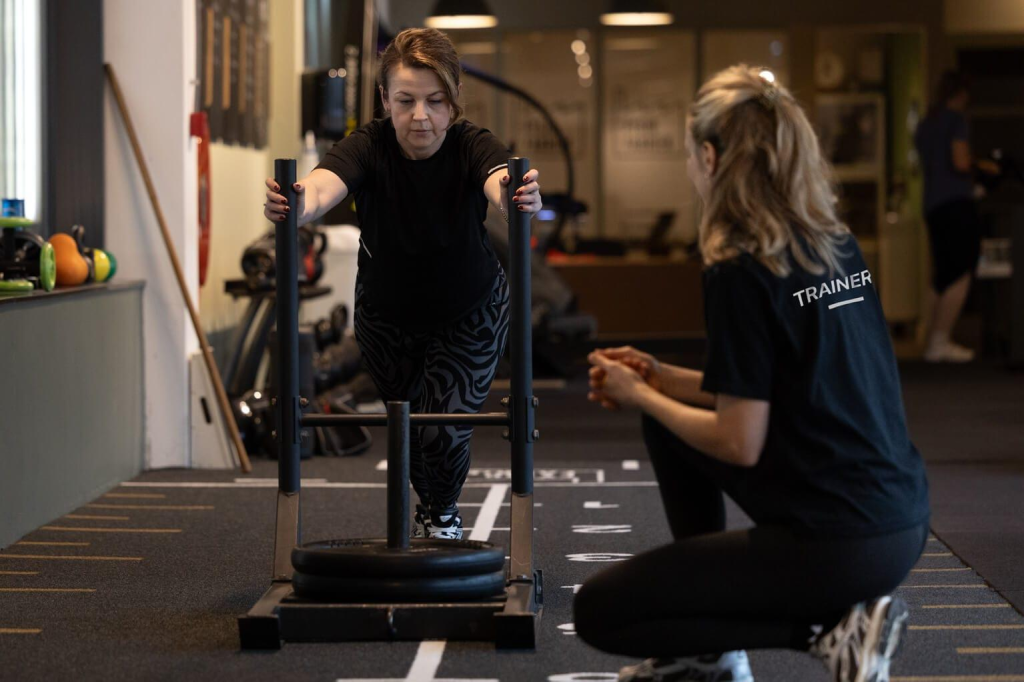
    A focused, supportive, and personalized training environment makes all the difference.

    Final Thoughts

    Choosing the right personal trainer isn’t just about workouts—it’s about finding someone who understands your goals, keeps you accountable, and helps you build a sustainable lifestyle.

    At Union Studio, you get:

    • 20+ years of experience
    • Customized training programs
    • A private, focused environment
    • Real results—not quick fixes
  • How Weather Affects Your Joints (And What You Can Do About It)

    Why Your Body Feels the Weather

    https://images.openai.com/static-rsc-4/8vw3PiXkkncjJ3sGDiik1cfj7qVkgP8M5UUQZsJqVMBWjZMYS0Jv35cV7UUoXWFxEAXkG-UyMY_objyqQi1j3ksNbI35S4OGM5lLch8Yjq1bdgCUde6ry5iL3zEipzivfsC8kzvhAx56iEb525Gkq0yX5h5Iii3dgpe6CmzcwvG8Clp2thhRvU010M78vGBk?purpose=fullsize
    https://images.openai.com/static-rsc-4/D9pGIAMG6TzDnpISJdMTVnZEIg6KO0EtuFkwU8ZuZyPlCmFI5rFouXW3T1MzHmwwqFf_F1-QWB7ju8xhwcNSLqKMv3FqlmsapAgLSsBABiDCoFIcUh1ViILap9-An7Qy9HdKd2NP-rlSjqIt986R27cLGsGjK3wmNZ-FO0sQLgDudYd4ZSRh3tAw4qapYfu4?purpose=fullsize
    https://images.openai.com/static-rsc-4/OEDvZ5Awiz5Ui1-zhfGur5oCp05KpQeQBNvQi9hGRtPsjy8qJAreNJmHFcCU3x2nhKylb7z-HZVz8-Zd8hNfzSfNpg-vNsZujknXIbGuHTJ8w7_ah0FZJM3LMv8FkWnEs_-RL8Kmtmg12YPgsZIg4xQhDvMCuWzyE02g7P4Se85FF9QbBzugJFD7UaOp4HOI?purpose=fullsize

    Have you ever felt your knees ache before a storm or noticed your joints stiffen when the temperature drops? You’re not imagining it. Weather—especially cold, damp, and fluctuating conditions—can have a real impact on how your joints feel.

    While science is still evolving, research shows that many people (especially those with arthritis or past injuries) experience increased stiffness and discomfort with weather changes. In fact, one study found over 67% of people with osteoarthritis reported weather affecting their joint pain.

    What’s Happening Inside Your Body?

    • Reduced blood flow: Cold temperatures cause blood vessels to constrict, limiting circulation to your joints and leading to stiffness.
    • Thicker joint fluid: The synovial fluid that lubricates your joints becomes less efficient in cold weather, increasing friction.
    • Barometric pressure changes: Shifts in air pressure can affect tissues around joints, making them feel tight or swollen.
    • Less movement: Cold weather often means less activity—which leads to more stiffness and discomfort.

    The result? Joints that feel tight, achy, and harder to move.


    Why Exercise Is the Ultimate Solution

    https://images.openai.com/static-rsc-4/CQaFLxx3yf5_bvaMiwBMWhn2gX0v3GubjNV-lQ9pUhbd_8n6jmRQgiDqGyCHS0oN0LvpAfFzjy5FQ79CNVZM0aMRhsrkvEQ6S-FfjeQpHB3AsFRW3Tv8SrlgLjGcWESKouRvUQbRb2K8dM4hOZyThB8F_qYeuZl7BpYhppoRVhGTmP8PmeBU-6kcWMkwrtSA?purpose=fullsize
    https://images.openai.com/static-rsc-4/x5U9Bumn3rXUQozglJDsBSf2JCK1BIKaYpWewXfqGCpTfaEHgCZh3edP0mzuHRj2MsoZF3KL7hgvtVYTros-RWKe4lx8FVxT34vXdxRFlERO2PvFKOEDfbmN0glKPGDuAO25qwQrUH0NFebS0kGIS-P0FhlDd7JaHfMDkM08hOEc5SMS7sRsBVOZ4jY3MjCN?purpose=fullsize
    https://images.openai.com/static-rsc-4/mTpBPmfppSBz0FU82KJf7GCYl53uf9BzBesHDdPwRWU_mvXndCfD39f4kRJKugvCVOKPETfk5XkuP5bJlcx5hqg9W8G275EB9z8irIJPsQ3YfMpi0g4DpQb46oqxwZTK2VlDj6pwoHGoMi1gpYswn41EFcxu8CCB4zbtiGTbNMOOmh0RMDXSINY8gGUZqhdR?purpose=fullsize

    Here’s the good news: movement is medicine for your joints.

    Regular exercise helps:

    • Increase circulation (bringing warmth and nutrients to joints)
    • Improve flexibility and range of motion
    • Strengthen muscles that support and protect joints
    • Reduce inflammation and pain

    In fact, consistent physical activity is one of the most effective ways to reduce arthritis pain and improve function.


    The Best Exercises for Joint Health in Cold Weather

    1. Low-Impact Cardio

    Think walking, cycling, or swimming. These keep joints moving without excessive stress.

    2. Strength Training

    Building muscle (especially glutes, core, and hamstrings) reduces pressure on joints—especially knees and lower back.

    3. Mobility & Stretching

    Daily stretching helps counteract stiffness caused by cold temperatures.

    4. Warm-Up Focused Workouts

    Cold muscles are tight muscles—start every workout with a dynamic warm-up to protect your joints.


    Influencer Insight: Train Smart Like Bret Contreras

    https://images.openai.com/static-rsc-4/yAKGkyrceeEB5GIvo9XKXUAlwcw2o7huAIn1rgkcxD6aC9c5STp30KRuOf9EHvlO15ZyEpA3TQn87hg7DRhHfKlHGbpfDuvWuhTVb7t_SuSuzFeVbPBD25Mh2r2SOxajrcTW1fOr7ZcxrB6PdkAZjNZeXZ1wtBfL1QVyJLWXuoZJuDn-U6Cjdm_5qwVVXRDQ?purpose=fullsize
    https://images.openai.com/static-rsc-4/qMP8dAW95rmcT6PSDeb08nPhYW-kE4MkLZg8kk7DMoKmXs0dn8_wdFmmmRO7sUAcMY_XBBWtbus2VAFeDpRrKq6G8L6-FiSWKj49wY2EdvfJw2nmApp8_trrLli5gerT27ZRGrePp5YQ4aZkLN5-n9cLyrKCg_JvvQnYFESCjWO3KVQOtmgQGGiBmeIqbUXY?purpose=fullsize
    https://images.openai.com/static-rsc-4/_TKutSPlVXWwJApU2vK_575-wKTa9L8BFosNYIBCumH9l9SJWb-2hIQ7a5IShKfKOjKHJ94jB_Yz7ww8MvjibO_nzKtRj69lPrGyebpq3bjR8q5O-lP3ZkX8sSl8O7VKP_gbtoDUxR-XfRkbSzqELTLeMk-qOZHiQDmyPoImHKKFWMo6bK2rTFzeO1-Hqebd?purpose=fullsize

    Known as “The Glute Guy,” Bret Contreras emphasizes the importance of strong glutes for joint protection—especially during colder months when the body is more prone to stiffness.

    Key takeaway:

    Strong glutes = less stress on knees, hips, and lower back.

    Incorporating exercises like hip thrusts, glute bridges, and deadlifts can dramatically improve joint stability and reduce pain.

    Simple Tips to Protect Your Joints Year-Round

    • Stay warm (layers matter more than you think)
    • Keep moving daily—even short workouts help
    • Hydrate to keep joints lubricated
    • Prioritize strength training for joint support
    • Listen to your body and adjust intensity

    Your Next Step: Train Smarter at Union Studio

    At Union Studio, we don’t believe in one-size-fits-all workouts. With over 21 years of experience, we design personalized training programs that protect your joints, build strength, and keep you moving pain-free—no matter the season.

    Ready to feel better in your body year-round?

    Book your first session today and take control of your joint health.

    Let’s build strength, improve mobility, and keep you active—no matter what the weather brings.

  • What Affects Your Metabolic Age? (And How to Keep It Young)

    Your metabolic age is one of the most talked-about metrics in fitness right now—but what does it actually mean?

    Simply put, metabolic age compares how efficiently your body burns calories (your metabolism) to others your age. It’s largely based on your basal metabolic rate (BMR)—the calories your body burns at rest.

    If your metabolic age is lower than your actual age, your body is functioning efficiently. If it’s higher, it may signal that your lifestyle, fitness, or habits need attention.

    1. Muscle Mass (Your Metabolism’s Secret Weapon)

    https://images.openai.com/static-rsc-4/6ybUgoLnodjwACCvZ6obJAJ-i3MXl9ipbWf9to1rZ6iPfqFbJN5zjDUJ-Gfgrqvm0zW4tmaUtKEabIUMYHbAA3fRSlZYqOeHgI-3f782WEIqmA8f-onRmgz-pOMFd7eu24KpMcd0We-hO0iOB1A7YTz8LLjE60jfNFrmI5LAtZF3_KS_ZExJ7ttfgmNaN8fk?purpose=fullsize
    https://images.openai.com/static-rsc-4/KXhEzYSjfnjYH2dJMkTiwjeG84SJh-we2j1HO5I48TmkTSTx0WuK4ybfG1o-hsS-gzkCAU4cLJBzk0RfqCeeuXgn4DkmaHw0cb5OdQQ6Mh91KdYZWePri_76Hq4M09umMVL-rszq26GggxvGxYjhvN-71BQZHTrpHnA2yipprEF-DhBkUarOwbEgYA2_Ygx6?purpose=fullsize
    https://images.openai.com/static-rsc-4/iVyeUq2fVrl57pEKCtNpW391DH7z_Xg0OG_GTIeVWoBAnpR4wrcH-i3RiCWh7og7w7_Y_TrSOo99GwNXmJDiyPEgsNvJeq8W2QPQgrHNNbxLCEj0odOqi8-IwnhpkeK9zuFdMaWT1fYPOJQx0OiDuarYA2Pur3-HpCJDEjP4N2EDbE0Q_9Ayrj2aZDOsZYC8?purpose=fullsize

    One of the biggest drivers of metabolic age is how much lean muscle you carry.

    Muscle is metabolically active, meaning it burns more calories—even at rest. The more muscle you build, the higher your BMR and the younger your metabolic age.

    This is why strength training is non-negotiable, especially for women as they age.

    Influencer Insight:

    • Bret Contreras emphasizes progressive overload and glute strength for boosting metabolism
    • Kayla Itsines promotes resistance training for lean muscle development

    2. Body Fat Percentage

    https://images.openai.com/static-rsc-4/43DtBdF7_AfoX9y8d9XuV8ZwNhX631ekY8D0N_0Wi8i4EKoPX73ZGOuRZOBTM5ErZD7DyyMnY0gZN0VgYhCo6uBeljN_iAlewH7H95uapBJ0O5YclPAdupcOxrm_Fzg6CjalbFLPfeSf-8cBxMt4HFq0vGWp4ppPRN3tMUwxlbAkBlm3PO86_6DGcpf4wfas?purpose=fullsize
    https://images.openai.com/static-rsc-4/hud9UxWaK7fnf2mtdYjbv1NObrvqewxLDwYRc9zsN3MHEbMmGcWSrAHbi0a979ZRxOXjuJb57Z-frFan89kn0y3ccK89eA-PhoZoZTDuvsunU3q175362NtV5Xk-5nze3mR5s9eqL_UYoCn8UGqL8eI52nPcHeQd16E94-if4eSq_vQ4ycxdwEpGtFrK942P?purpose=fullsize
    https://images.openai.com/static-rsc-4/ncSBhdL4bD7VLQhtfziUKezQOcX9_ehFc5kKdq8Bvt-bBwduKUdk0mQ5j8QiSNcI2yJBW3Cden8drrRK6JCLVAq0q-HukI7MVdEwPBLdEqfJHzNyamIgOWfOqwLI9WkAkxJbGBxyU4wsxodCvOcPCOyyLtSTy5eyaSfo-Ywr6pXaOAlc16GoaJX5eY2x8rwX?purpose=fullsize

    It’s not just about weight—it’s about body composition.

    Higher body fat percentages are associated with slower metabolism and a higher metabolic age, while leaner body composition supports a more efficient system.

    At Union Studio, this is why we focus on fat loss + muscle gain, not just the scale.

    Influencer Insight:

    • Jillian Michaels highlights fat loss through strength + HIIT
    • Whitney Simmons promotes sustainable body recomposition

    3. Physical Activity Level

    https://images.openai.com/static-rsc-4/Zznvx7qmhTzi6L_5N2ti5ls9A2-p2ADhdzcLwDsQg2wZUQfhypDiwvjE-PZSqIp1153vm0QRivugsxY-kCzqeFbK3P-eMSCpWoP_6xKr6jNxy1u1SHaf4zOCpudng0KWDeIrwTKnHCASJmnu-BpwIOpZ-iWVQQ1-r9h5cHhHIrETMMXbi8MxzilnUyMnUKie?purpose=fullsize
    https://images.openai.com/static-rsc-4/qnSlpquVN_3owcokCD4hFYs_FYZ3c76fS20UvD-uHgRww9Z9C_ewaTLwnumBsPBIWgVvgC9w51ALcXL7z9PyUN4OHTL8MxZLXPKD-tCjc4cdQkJ0LNrEsGOqxCYcYTTjb1WGI9ZXIBZHm1LU_XUfiDQbZsgVQn7-j82h5IRg8f2_aXJizp9SdSPuJ_wMk-Uk?purpose=fullsize
    https://images.openai.com/static-rsc-4/cdFqnsAC2p22LblaFmAy4z8evHRQYabaVhM-h25KaQccc55igXW5-m3GgeQgFiVL6b70Zf-xTEkhIm8v1kIYlic5nsTMiwyriQmr6zYTuaFecoW_qpDVvFOT5Y1DFmuHNi7cCdSCm4N58iVWcDg1SXvyjMwNUkX_3CT2Z1amt8KXouwEicdOWOcFUfYPgodJ?purpose=fullsize

    Your daily movement plays a massive role.

    Regular exercise—especially a mix of strength training + cardio + HIIT—helps increase metabolic efficiency and calorie burn.

    A sedentary lifestyle? That’s one of the fastest ways to age your metabolism.

    4. Nutrition & Diet Quality

    https://images.openai.com/static-rsc-4/tjTck1KnRW3K8B4lirf-IBjPa8xxzdzCVxoGOXzMpxzP_Pkw0gttBFegqUemfb7Zp6yYlwgh3tUHjD8lkio_PB_JRg2jWSF0IURWuB3ljm18UwQJ6qFxJQVeGOuc1dWW0ohn8tGvMqBA-rWR15afqgiNuJlUIyquC308uaTIAbgL5jTWIxWneywjFrU5dq_i?purpose=fullsize
    https://images.openai.com/static-rsc-4/dhJcQ1DvSGXqxSshgy23ConugPDCH30Q0z-ySQY-bZ1GXiIpSpV4viX-9UVHpDqMEzTjL7E-IZGqFxJL1iTXh5THreE5507kcYzOGGY6ygez-SoGs0oHO17izahBK_LTGkvD6nedogS31vwIQUwqGHBYiqQWtv6mkJESOUAmlivbeo3LwHUu57xGcDSDkIIq?purpose=fullsize
    https://images.openai.com/static-rsc-4/OoDEJboD-PvavVZKpnpPIDif2xtB_mzQ_zNCvCPKILuEsPjHQWJFSBrEUKPCVw8Xzo6dn7ZJnvM9TTeJy3p7ZRLVnrvurC_xLiMj_RNe8t-71iTXh5iDIwGUBMXeZrZxO6DgY-4ogABG3qiPyEThcKfEtbobacnwUeHX71o7x654b0MuK5joJjYXx67wcJJx?purpose=fullsize

    What you eat directly affects how your body burns energy.

    A diet rich in:

    • Lean protein
    • Whole foods
    • Healthy fats
    • Complex carbs

    supports a healthier metabolism, while processed foods and sugar can slow it down.

    Influencer Insight:

    • Autumn Calabrese focuses on portion control and balanced eating

    5. Sleep & Recovery

    https://images.openai.com/static-rsc-4/pacDXWaJiSavfO3suShrmVqwoQ51LnZCZkTBX80_iPCESrlJoaRTAJUjew8K0V5LJQRTX1ftVILCiuBmG-YK2XIhg5RKrF_AayFaYP-xeOAKpw9typQanob8HCggV5ZbfOWGzs1RdsXKZIov9tZciCS1mZjXm_0tnPkCHrcrQr9Pljf27Hh79L4atugO5tJF?purpose=fullsize
    https://images.openai.com/static-rsc-4/sxImfHUK4MraAUez_P4s1KSPGCs4lWAM_09h1Keaxxq39UJYQumwuWsSN9dLy1jZye8ZxH0luv1F3QGfUh8fRhX-dC4rDcGfaz4aolHR_PcKK-4Kf_j4y2n95sL0lAJGX2Or15vsnC6JuTIUY-4VMzVnmKLfghso3u6eKZR8Ib67dY0rNgkNM7bpbBmdWlHv?purpose=fullsize

    Sleep is often overlooked—but it’s critical.

    Poor sleep can disrupt hormones, slow metabolism, and increase fat storage.

    Recovery is where your body actually builds muscle and improves metabolic function.

    Influencer Insight:

    • Andrew Huberman discusses sleep’s role in metabolism and hormones

    6. Hormones & Stress

    https://images.openai.com/static-rsc-4/YU0PE3oveV17dlEUk7GYJNpdIUsChE98jjZqF2bJm835GsTE0D-vcB86DCzL-hmfp2Y-easeoJkO-FM40zctRDUQfY4SWQcnOQU07mbEDwzRYCBj-k01hi8oVSTbgG9J9ihXg5u4FZ3ijYUw5pqdH7FrPdWyOqflJxa2koIZA1mJJQZOFq6vnuqbq9nui5a_?purpose=fullsize
    https://images.openai.com/static-rsc-4/Lvocf_aLTl6E3NugHFVyE4iImSh04vXh2L5bvW8ADTSRZ97YEo7W0TLAeRJgYazmKprc14cCmk3JsCZPTQmJJ0bW6yQJtxala_oGSRpjRbUev1ZBwVDjTbFVuxl1SfyNuU_luZylMu1pZxBObvq8uEmFNXlMKQjtpUjDb15p0WeUGvMjToF0GQspsHHtDgy0?purpose=fullsize
    https://images.openai.com/static-rsc-4/yFyz8zBpGhzZtQzt_3gjjy8QwghS72HU6vJky-QsOgFVyBOQUX5W56uJHiJX0qkZ7lBiXS-PLWir6sj_DhrWDvB7OdjZ5YN4BpFvJW6bITglDXIVMati-azP3ntevszjpE-w45dxZib4rUcOb5wnFZI25C2gU1sBQKRMFi59inWd0D78O5u2pJ1NEtnJg_82?purpose=fullsize

    Hormones like cortisol, insulin, and thyroid hormones directly regulate metabolism.

    Chronic stress can:

    • Slow fat loss
    • Increase belly fat
    • Raise metabolic age

    Managing stress isn’t optional—it’s part of your fitness plan.

    Why This Matters for You

    Your metabolic age is not fixed—it’s highly influenced by your daily habits.

    The biggest levers you can control:

    • Build muscle
    • Stay active
    • Eat intentionally
    • Prioritize recovery

    These are exactly the pillars we focus on at Union Studio.

    Train Smarter at Union Studio

    At Union Studio, we don’t do cookie-cutter workouts.

    We design personalized training programs that:

    • Increase lean muscle
    • Improve metabolic efficiency
    • Support long-term fat loss
    • Help you feel younger, stronger, and more energized

    Whether your goal is fat loss, strength, or longevity—your metabolic age can improve.

    Book your first session today and start reversing your metabolic age.

  • Why Glute Strength Is the Key to Aging Well, Reducing Back Pain, and Preventing Falls

    When most people think about glute training, they think aesthetics. But at Union Studio, we train with purpose—and strong glutes are one of the most important factors in how well you age, move, and live pain-free.

    Your glutes are not just for looks—they are the foundation of strength, stability, and longevity.

    Why Glute Strength Matters More As You Age

    As we get older, muscle mass naturally declines (a process known as sarcopenia), which can lead to decreased mobility and independence. The glutes—your body’s largest muscle group—play a critical role in maintaining that independence.

    Strong glutes help you:

    • Stand up from a chair with ease
    • Climb stairs without strain
    • Maintain posture and alignment
    • Stay active and mobile

    Research shows that lower-body strength—especially in the glutes—is essential for maintaining balance, mobility, and overall function as we age.

    How Strong Glutes Reduce Back Pain

    If you or your clients struggle with lower back pain, weak glutes could be a major missing piece.

    Your glutes stabilize your pelvis and support your spine. When they’re weak:

    • The lower back compensates
    • Posture suffers
    • Pain and tightness increase

    Strong glutes help keep your spine properly aligned and reduce unnecessary strain. When the glutes are doing their job, the lower back doesn’t have to overwork.

    This is why so many strength-based programs—like those promoted by Bret Contreras (aka “The Glute Guy”)—focus heavily on glute activation and posterior chain strength.

    Glute Strength and Fall Prevention

    One of the most overlooked benefits of strong glutes? Reducing your risk of falling.

    Falls are one of the leading causes of injury as we age—but they’re often preventable.

    Strong glutes improve:

    • Balance and coordination
    • Hip stability
    • Reaction time when catching yourself

    Studies have found that differences in glute strength and hip stability can directly impact whether older adults are more likely to fall.

    In simple terms:
    Stronger glutes = better balance = fewer falls

    This is why trainers like Kayla Itsines and Jillian Michaels emphasize lower-body strength and functional movement—not just cardio.

    The Real-Life Benefits of Strong Glutes

    When your glutes are strong, everyday life becomes easier and safer:

    • Picking things up without hurting your back
    • Walking longer without fatigue
    • Moving confidently without fear of falling
    • Staying active as you age

    Weak glutes, on the other hand, can lead to poor movement patterns, instability, and chronic pain.

    Best Glute Exercises for Strength and Longevity

    At Union Studio, we focus on functional strength that carries over into real life. Some of the most effective glute exercises include:

    • Hip thrusts
    • Glute bridges
    • Squats
    • Deadlifts
    • Step-ups
    • Lunges

    Programs inspired by coaches like Jeff Nippard emphasize progressive overload and proper form—two essentials for long-term results.

    Train Smarter, Age Stronger

    Glute training isn’t just about building a better body—it’s about building a better life.

    At Union Studio, we design personalized programs that help you:

    • Move better
    • Feel stronger
    • Stay pain-free
    • Age with confidence

    Ready to feel stronger, more stable, and pain-free?

    Join us at Union Studio and start training with purpose. Whether your goal is to reduce back pain, improve balance, or simply feel stronger in your everyday life—we’ve got you covered.

    Book your first session today and take the first step toward aging strong.

  • Why Heart Rate Matters in Your Workout (And How to Calculate Yours)

    When it comes to getting the most out of your workouts, one of the most overlooked tools is your heart rate. Whether your goal is fat loss, endurance, or overall health, understanding your heart rate can completely transform how effective your training is.

    At Union Studio, we don’t guess—we train with purpose. And heart rate training is one of the most powerful ways to do exactly that.

    Why Heart Rate Training Is So Important

    Your heart rate tells you how hard your body is working in real time. Instead of relying on guesswork, it gives you a clear, measurable way to train smarter—not just harder.

    Training within the right heart rate zones can help you:

    • Burn fat more efficiently
    • Improve cardiovascular endurance
    • Avoid overtraining and burnout
    • Maximize calorie burn in less time
    • Track progress objectively

    Heart rate zones are typically broken into 5 levels, ranging from low-intensity recovery to maximum effort. Each zone serves a specific purpose depending on your goals.

    How to Calculate Your Maximum Heart Rate

    The simplest way to calculate your maximum heart rate (MHR) is:

    220 – your age = your max heart rate

    Example:
    If you are 40 years old:
    220 – 40 = 180 BPM (beats per minute)

    This number becomes the foundation for all your training zones.

    There are also more modern formulas like:
    208 – (0.7 × age) for slightly more accuracy

    Understanding Your Heart Rate Zones

    Once you know your max heart rate, you can break it down into zones:

    • Zone 1 (50–60%) – Recovery / warm-up
    • Zone 2 (60–70%) – Fat burning & endurance
    • Zone 3 (70–80%) – Aerobic fitness
    • Zone 4 (80–90%) – Performance & strength
    • Zone 5 (90–100%) – მაქ effort / peak training

    For example, if your max heart rate is 180:

    • Zone 2 = 108–126 BPM (great for fat loss)

    Pro Tip: The More Accurate Method

    For clients who want precision, we often use the Karvonen Formula, which factors in your resting heart rate:

    Target HR = [(Max HR – Resting HR) × Intensity] + Resting HR

    This gives you personalized zones, not just averages.

    What Top Fitness Influencers Say

    Many top fitness experts emphasize training with intention—not just intensity:

    • Kayla Itsines promotes balanced training and sustainable progress rather than pushing max effort every workout
    • Jillian Michaels emphasizes structured intensity and interval training for fat loss
    • Ben Greenfield frequently discusses heart rate variability and personalized training zones

    Key takeaway: The best results come from training in the right zone at the right time—not going all-out every session.

    How We Use Heart Rate Training at Union Studio

    At Union Studio, we take the guesswork out of your workouts.

    With 21+ years of experience, we:

    • Customize workouts based on your goals
    • Help you understand your personal heart rate zones
    • Track your progress over time
    • Adjust intensity so you get results faster (and safer)

    Because no two bodies—and no two heart rates—are the same.

    Ready to stop guessing and start training smarter?

    Book your first session at Union Studio today and learn how to use your heart rate to:

    • Burn more fat
    • Build endurance
    • Get stronger, faster

    Your body is already giving you the data—you just need to know how to use it

  • Should Women Lift Heavy Weights or Do More Reps?

    The Truth About Strength Training for Women

    If you’ve ever stepped into a gym, you’ve probably heard conflicting advice:
    “Lift heavy with fewer reps to get strong,” or “Use lighter weights and do more reps to tone.”

    So which one is actually better for women?

    The truth is that both training styles have benefits, and the best program usually includes a combination of both. Understanding the difference between heavy vs. light training can help you choose workouts that match your goals—whether that’s strength, muscle tone, fat loss, or endurance.

    At Union Studio, we design individualized programs so each client gets the right balance for their body and goals.

    Heavy Weights + Fewer Reps (Strength Training)

    Heavy weight training usually involves lifting a challenging weight for about 3–6 repetitions per set. This type of training focuses on building maximum strength and power.

    Benefits of Heavy Weight Training

    • Builds strength and power
    • Improves bone density
    • Increases metabolism
    • Helps prevent age-related muscle loss
    • Improves functional strength for everyday activities

    Many women worry that lifting heavy will make them “bulky.” The reality is that most women don’t have the hormonal profile to gain large amounts of muscle mass. Strength training typically results in lean muscle and improved body composition, not excessive size.

    Heavy compound lifts like squats, deadlifts, and presses are great examples of exercises where lower reps and higher weight work well.

    Lighter Weights + Higher Reps (Hypertrophy & Endurance)

    Training with moderate to lighter weights and higher reps (usually 8–15 reps) focuses on muscle growth and muscular endurance.

    Benefits of Higher Rep Training

    • Improves muscle tone and definition
    • Builds muscular endurance
    • Burns calories during longer sets
    • Helps beginners learn proper form

    Interestingly, research shows women often tolerate higher training volume and more repetitions than men because they tend to have more fatigue-resistant muscle fibers.

    This means women can often benefit from moderate weight and slightly higher reps without burning out quickly.

    What Fitness Experts Recommend

    Many top fitness experts recommend combining both approaches.

    For example, well-known trainer and influencer Kayla Itsines encourages strength training that includes both heavier compound lifts and higher-rep accessory exercises to build lean muscle and overall fitness.

    Similarly, celebrity trainer Bret Contreras, often called “The Glute Guy,” emphasizes using different rep ranges to stimulate muscle growth and strength.

    This combination helps your body adapt and prevents plateaus.

    The Best Rep Range for Most Women

    For most women, the most effective training programs include a mix of rep ranges:

    Strength Focus

    • 4–6 reps
    • Heavy weight
    • Compound lifts (squats, deadlifts, presses)

    Muscle Tone & Growth

    • 8–12 reps
    • Moderate weight
    • Isolation exercises (lunges, hip thrusts, curls)

    Endurance

    • 12–15 reps
    • Lighter weight
    • Circuits or conditioning workouts

    The key is progressive overload—gradually increasing weight, reps, or intensity over time.

    Why Personalized Training Matters

    Every woman’s body responds differently to training. Age, fitness level, injury history, and goals all play a role in designing the right workout program.

    That’s why working with a trainer can make a huge difference. A professional can:

    Adjust rep ranges and weights safely
    Create workouts tailored to your goals
    Ensure proper form and injury prevention
    Keep you motivated and consistent

    At Union Studio, workouts are individually designed for each client, ensuring you get the most effective results possible.

    Final Takeaway

    So is it better for women to lift heavier weights with fewer reps or lighter weights with more reps?

    The best answer: both.

    A balanced program that includes strength training, hypertrophy training, and endurance work will help you build lean muscle, increase metabolism, and stay strong for years to come.

    Consistency, proper technique, and progressive training are what truly drive results.

    Ready to Get Stronger?

    If you’re ready to take your workouts to the next level, Union Studio offers private personal training tailored to your individual goals and fitness level.

    Union Studio
    360 Kirman Ave
    Reno, NV 89502

    (775) 378-5551

    Schedule a session today and discover how a customized strength program can transform your body and confidence.

Call Now