
We often hear the phrase “cancer-fighting foods,” but there’s an important distinction: no single food can prevent or cure cancer. What the research does show is that an overall healthy eating pattern—combined with physical activity, maintaining a healthy weight, limiting alcohol, and avoiding tobacco—can help reduce cancer risk.
At Union Studio, we believe nutrition isn’t about extreme diets or eliminating everything you enjoy. It’s about building sustainable habits that support your health for years to come.
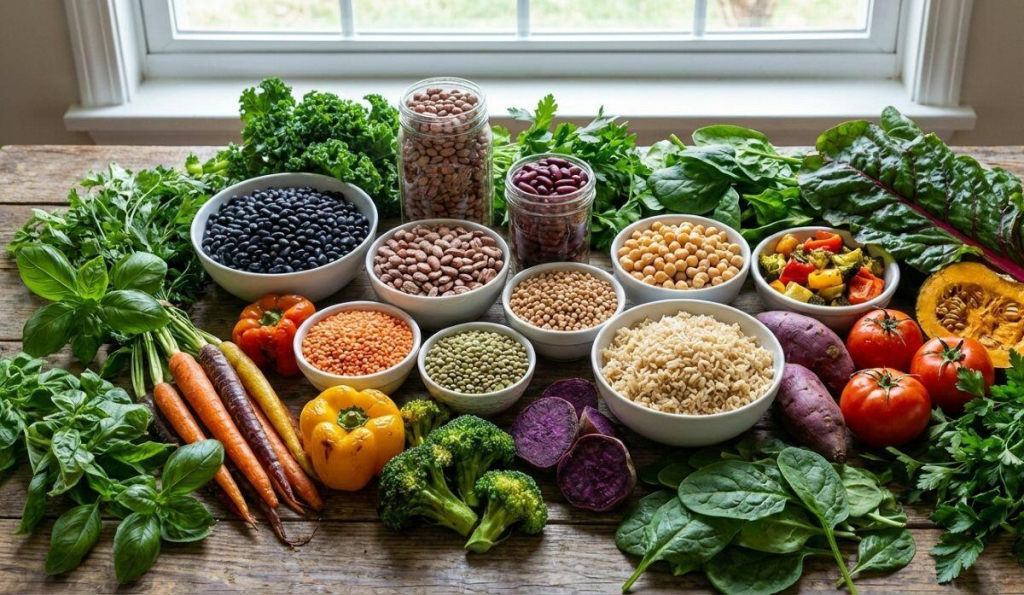
1. Cruciferous Vegetables
Think broccoli, cauliflower, Brussels sprouts, cabbage, kale and other cruciferous vegetables.
These vegetables contain compounds called glucosinolates, which are among the many naturally occurring plant compounds researchers study in relation to cancer prevention. More broadly, the World Cancer Research Fund recommends making vegetables a major part of your everyday diet.
Easy idea: Add roasted broccoli to dinner, throw spinach or kale into a smoothie, or make a colorful vegetable stir-fry.
2. Berries
Blueberries, strawberries, raspberries and blackberries are packed with fiber and naturally occurring plant compounds.
Rather than looking for one magical antioxidant, think about eating a variety of colorful fruits and vegetables. The combination of nutrients and plant compounds found in whole foods is one reason dietary variety matters.
Try: Berries over Greek yogurt, oatmeal or as an afternoon snack.
3. Tomatoes
Tomatoes provide lycopene, a naturally occurring carotenoid, along with other nutrients.
Try adding tomatoes to salads, sandwiches, soups, sauces and egg dishes. Eating them as part of an overall plant-rich diet is more important than focusing on any individual “superfood.”
4. Beans and Lentils
Beans, lentils, chickpeas and other legumes are excellent sources of dietary fiber and plant-based protein.
The World Cancer Research Fund recommends making beans and other legumes a regular part of the diet along with whole grains, vegetables and fruit.
Easy swap: Try replacing some of the meat in tacos, chili or pasta dishes with black beans or lentils.
5. Whole Grains
Oatmeal, brown rice, quinoa, barley and whole-grain breads and pastas can help you increase your fiber intake.
There is strong evidence that dietary fiber and whole grains reduce the risk of colorectal cancer. The WCRF recommends aiming for about 30 grams of fiber per day from food.
6. Don’t Forget Your Leafy Greens
Spinach, kale, Swiss chard, collard greens and other leafy vegetables provide fiber, vitamins, minerals and a variety of plant compounds.
One simple strategy: make half of your lunch or dinner plate vegetables.


What About Garlic, Turmeric and Green Tea?
You’ll often see garlic, turmeric, green tea and other foods promoted as powerful “anti-cancer” foods. They can certainly be nutritious additions to your diet, but it’s important not to oversell the evidence.
Whole foods are the priority—not concentrated supplements. The World Cancer Research Fund specifically recommends getting nutritional needs from food rather than using supplements for cancer prevention. High-dose beta-carotene supplements, for example, have actually been associated with increased lung-cancer risk in people who smoke or previously smoked.
Foods to Eat Less Often Matter Too
Cancer prevention isn’t just about adding “good” foods.
Research-based recommendations also include:
- Limiting processed meat
- Eating moderate amounts of red meat
- Limiting highly processed foods high in fat, starches or sugar
- Limiting sugar-sweetened beverages
- Avoiding alcohol for cancer prevention
- Staying physically active
- Maintaining a healthy body weight
In other words, don’t stress about finding the perfect superfood. Build a healthy pattern that you can maintain.
Food + Fitness = A Bigger Picture
Nutrition is only one piece of the puzzle. Regular physical activity is also part of the evidence-based recommendations for cancer prevention.
That’s one reason I love the approach of fitness trainer Kayla Itsines, who emphasizes building strength and creating practical fitness habits that fit into everyday life. Her current programs include strength, high-intensity and low-impact options.
You can check out Kayla Itsines’ official fitness site for workouts, recipes and fitness education.
The Bottom Line
There isn’t a magic “cancer-fighting food.” Instead, think cancer-risk-reducing eating pattern:
More vegetables
More fruit
More beans and lentils
More whole grains
More minimally processed plant foods
Less alcohol
Less processed meat
More movement
Small choices repeated consistently can add up to a healthier lifestyle.
Ready to Make Fitness Part of Your Healthy Lifestyle?
At Union Studio, we believe getting healthier shouldn’t mean following another extreme diet or punishing yourself in the gym. With 21 years of personal-training experience, our private studio provides individually tailored workouts designed around your goals, fitness level and needs.
Ready to get stronger, move better and build healthy habits that last?
Contact Union Studio today to schedule your personal training session.
Union Studio
360 Kirman Ave, Reno, NV 89502
(775) 378-5551