
You work hard in the gym. You lift heavier, push through that last set, challenge your balance and stability, and maybe even squeeze in a cardio session when you’re already tired.
But what happens after the workout?
Recovery is just as important as the workout itself — and that’s where cryotherapy has become an increasingly popular recovery tool for athletes, fitness enthusiasts, and everyday active people.
From reducing muscle soreness to helping you feel ready for your next workout, cold therapy may have a place in a well-rounded fitness and recovery routine.
What Exactly Is Cryotherapy?
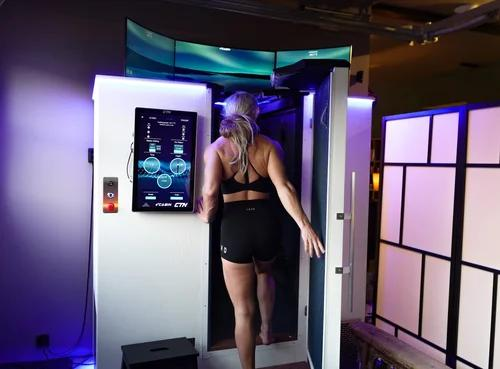
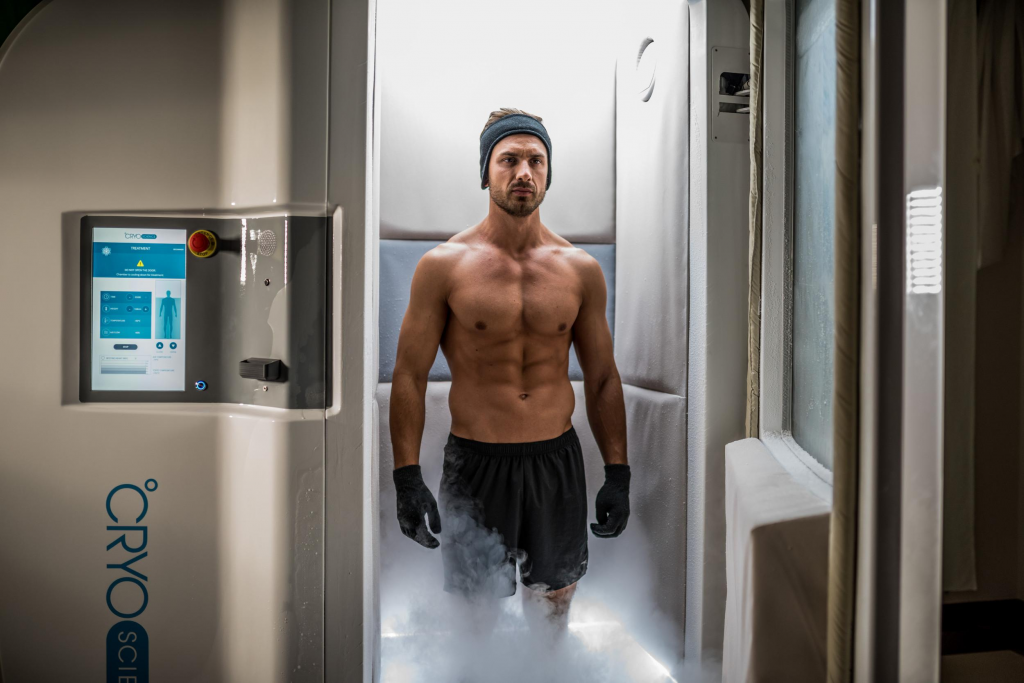
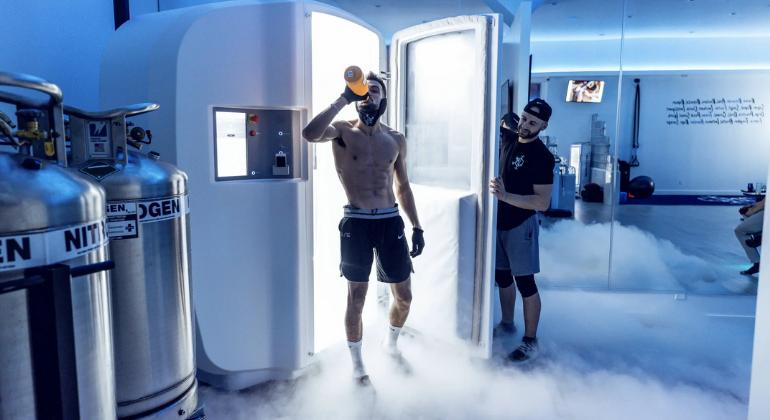
Cryotherapy simply means using cold as a therapeutic tool. There are several forms, including ice packs, cold-water immersion, and whole-body cryotherapy, where you briefly enter an extremely cold chamber.
Whole-body cryotherapy typically involves a short exposure to very cold, dry air. While the temperatures sound extreme, sessions are brief.
And no — you don’t have to be an elite athlete to be interested in recovery!
5 Potential Benefits of Cryotherapy
1. It May Help Reduce Muscle Soreness
That familiar feeling of, “Why did I do those squats yesterday?”
Delayed-onset muscle soreness (DOMS) can make stairs, getting out of a chair, or even walking around the next day surprisingly uncomfortable.
Research published in 2024 found that cryotherapy can help reduce muscle soreness following exercise-induced muscle damage. A large network meta-analysis also found cryotherapy performed particularly well for reducing delayed-onset muscle soreness.
That could make cold therapy an appealing option after particularly challenging workouts.
2. It May Support Recovery Between Workouts
If you’re training several days per week, recovery becomes extremely important.
Cryotherapy may help reduce perceived fatigue and some markers associated with exercise-related inflammation. A 2024 systematic review and meta-analysis found that whole-body cryotherapy reduced certain inflammatory markers following exercise.
The goal isn’t to eliminate all inflammation — your body actually needs some inflammation to adapt to exercise — but rather to potentially help manage soreness and fatigue so you can continue moving.
3. It Can Be Part of a Recovery Routine
One of the biggest mistakes people make with fitness is thinking that more exercise is always better.
It’s not.
Your body needs time to repair and adapt after challenging workouts. Sleep, hydration, nutrition, mobility work, rest days and appropriate training intensity are all important pieces of the recovery puzzle.
Cryotherapy can be viewed as one tool in the toolbox, rather than a replacement for the fundamentals.
4. It May Help You Feel Ready to Move Again
Sometimes the biggest benefit of recovery isn’t a measurable change in performance — it’s simply feeling better.
Cold exposure may temporarily decrease the perception of soreness and fatigue, which can be helpful when you’re trying to maintain an active lifestyle.
And staying active consistently is ultimately much more important than finding one “perfect” recovery hack.
5. It Can Complement a Smart Training Program
This is where cryotherapy fits nicely into personal training.
Instead of asking, “What’s the fastest way to recover?” a better question is:
“What does my body need today?”
Maybe that’s strength training.
Maybe it’s walking.
Maybe it’s mobility.
Maybe it’s a rest day.
And sometimes, a recovery treatment such as cryotherapy may make sense as part of the bigger picture.
What About Cryotherapy and Weight Loss?
This is where we need to separate fitness facts from fitness hype.
You may see claims that exposure to cold dramatically boosts metabolism or causes significant fat loss.
Cold exposure can influence thermogenesis and metabolic processes, but cryotherapy shouldn’t be considered a weight-loss treatment.
If your goal is to lose body fat, the foundation remains consistent exercise, resistance training, adequate protein, nutritious food, sleep and sustainable habits.
Cryotherapy may support recovery — but it doesn’t replace the work.
What Does Andrew Huberman Say About Cold Exposure?
If you’re interested in the science behind cold exposure, Andrew Huberman is a great person to follow.
Huberman has discussed deliberate cold exposure extensively on the Huberman Lab podcast, including its potential effects on physical performance, mood, focus, metabolism and recovery.
Listen to Andrew Huberman’s “Using Deliberate Cold Exposure for Health and Performance”
One important distinction: deliberate cold exposure, cold-water immersion and whole-body cryotherapy aren’t identical treatments. The research and protocols can differ, so don’t assume that everything said about an ice bath automatically applies to a cryotherapy chamber.
Is Cryotherapy Right for Everyone?
Not necessarily.
Whole-body cryotherapy involves exposure to extremely cold temperatures, and the evidence for some of its advertised benefits is still developing. The FDA notes that the benefits of whole-body cryotherapy remain unconfirmed and that it carries different risks from more conventional cold therapies.
If you have a medical condition, circulation problems, reduced sensation, or another health concern, talk with your healthcare provider before trying cold-based therapies.
And remember: cryotherapy should complement your training — not replace good programming, recovery, nutrition or sleep.
The Union Studio Approach to Recovery
At Union Studio, we believe fitness isn’t about beating your body into submission.
It’s about building a body that is strong, capable, mobile and resilient for life.
That means looking at the whole picture — your training, recovery, mobility, strength, cardiovascular fitness and individual goals.
Because your best workout isn’t necessarily the hardest workout.
It’s the workout that helps you continue progressing.
Ready to Train Smarter?
If you’re ready to get stronger, move better and create a fitness program designed specifically for your body and your goals, let’s talk.
Union Studio is a private personal training studio where your workouts are individually tailored to you — not pulled from a one-size-fits-all program.
Ready to make your next workout count? Contact Union Studio today and let’s build your personalized training plan.