
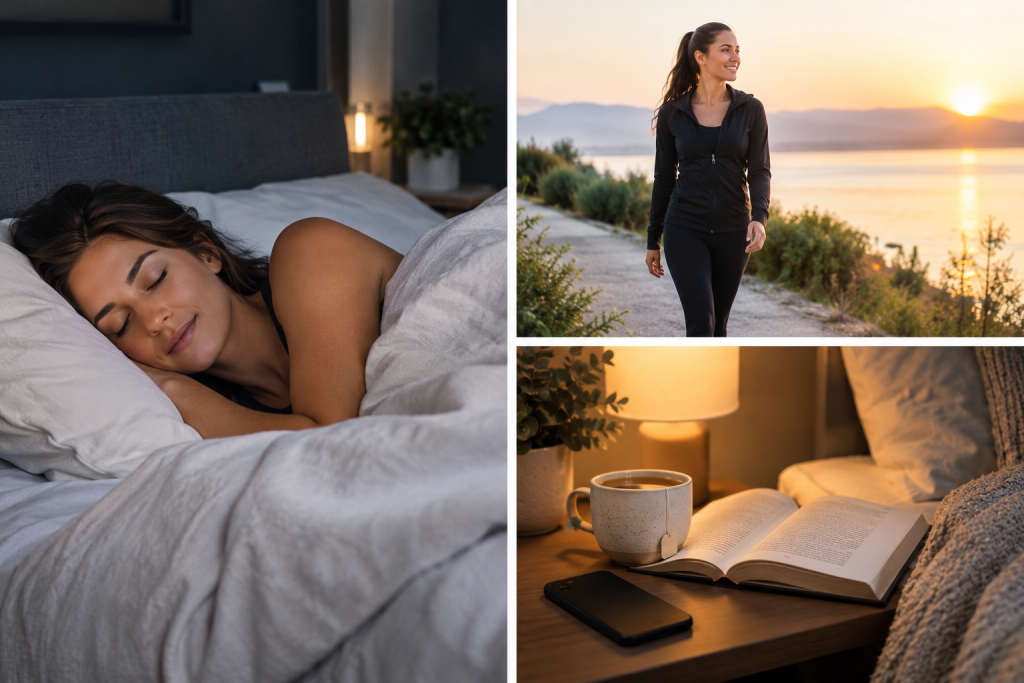
Why Sleep Is Just as Important as Exercise
Are you working out consistently, eating well, and still feeling tired, unmotivated, or frustrated with your fitness progress? The missing piece might not be another workout or a stricter diet. It might be better sleep!
When we think about getting healthier, we often focus on exercise and nutrition. But sleep is just as important. While you’re sleeping, your body is busy recovering, repairing tissues, regulating hormones, and supporting brain function.
According to the Centers for Disease Control and Prevention (CDC), most adults need at least seven hours of sleep per night. Consistently getting enough quality sleep supports physical health, emotional well-being, and daily performance.
At Union Studio, we believe fitness is about more than what happens during your workout. It’s about creating healthy habits that help you feel stronger, move better, and enjoy life.
5 Reasons Sleep Is Essential for Your Fitness Goals
1. Sleep Helps Your Muscles Recover
Your muscles need time to recover after strength training and other physical activity. Sleep supports the repair processes that help your body adapt to exercise and become stronger.
Without enough rest, you may experience more fatigue, reduced performance, and difficulty maintaining a consistent workout routine.
Fitness tip: Remember that your body needs recovery time just as much as it needs exercise. More workouts aren’t always better if you’re not giving yourself enough time to recover.
2. Sleep Supports Healthy Weight Management
Have you ever noticed that after a poor night’s sleep, you’re hungrier than usual or craving sugary snacks?
Insufficient sleep can affect appetite regulation, food choices, energy levels, and motivation to be active. When you’re exhausted, preparing a balanced meal or getting to the gym can feel much harder.
Rather than blaming yourself for having low motivation, take a look at your sleep habits. Sometimes, getting adequate rest is an important first step toward reaching your fitness goals.
3. Sleep Boosts Energy and Workout Performance
When you’re well-rested, you may find it easier to concentrate, maintain good exercise technique, and get through your workouts.
Poor sleep can interfere with coordination, reaction time, endurance, and perceived effort. That means a workout that normally feels manageable may suddenly feel exhausting.
Remember: You don’t need to push harder every day. Sometimes the healthiest choice is to prioritize rest and return to your workout feeling refreshed.
4. Sleep Supports Brain Health and Mood
Sleep plays an important role in memory, learning, concentration, and emotional regulation. A poor night’s sleep can leave you feeling irritable, distracted, and less equipped to manage everyday stress.
Regular physical activity and adequate sleep work together to support overall well-being. A consistent exercise routine may also help improve sleep quality over time.

5. Sleep Is Important for Long-Term Health
Consistently insufficient sleep is associated with a greater risk of several health problems, including cardiovascular disease, type 2 diabetes, and depression.
Although sleep alone cannot prevent every health condition, making it a priority is an important part of a healthy lifestyle.
8 Simple Tricks to Improve Your Sleep Tonight
You don’t need an elaborate nighttime routine or expensive gadgets to start sleeping better. Small, consistent changes can make a real difference.
1. Keep a Consistent Sleep Schedule
Try to go to bed and wake up at approximately the same time every day, including weekends. A regular schedule helps support your body’s internal clock.
If your bedtime is currently unpredictable, start by choosing a realistic wake-up time and gradually adjusting your routine.
2. Create a Relaxing Bedtime Routine
Give yourself 20–30 minutes to wind down before bed. Try:
- Reading a book.
- Taking a warm shower.
- Practicing gentle stretching.
- Listening to calming music.
- Trying slow, comfortable breathing exercises.
The goal is to help your mind and body transition from the busyness of the day to a more relaxed state.

3. Put Your Phone Away
Scrolling through social media or answering emails right before bed can keep your mind engaged when you’re trying to relax. Bright light from electronic devices can also interfere with your normal sleep signals.
Try putting your phone aside during the last 30–60 minutes before bed. If you use it as an alarm, consider keeping it away from your pillow.
4. Make Your Bedroom Sleep-Friendly
Your bedroom should feel like a place to rest, not another office.
- Keep the room cool and comfortable.
- Use blackout curtains or an eye mask if light bothers you.
- Reduce noise when possible.
- Choose comfortable bedding.
- Minimize unnecessary lights and electronic distractions.
Even small changes to your sleep environment may help you rest more comfortably.
5. Watch Your Caffeine and Alcohol Intake
Coffee, energy drinks, and other caffeinated beverages can interfere with sleep, particularly when consumed later in the day. Try moving your caffeine cutoff earlier and see whether you notice a difference.
Alcohol may make you feel sleepy initially, but it can disrupt sleep quality later in the night. Don’t rely on it as a sleep aid.
6. Get Some Movement During the Day
Exercise can help support better sleep, and you don’t need to perform an intense workout to benefit.
Try walking outdoors, strength training, cycling, or participating in an activity you genuinely enjoy. Morning daylight and regular daytime movement can also help support your body’s sleep-wake rhythm.
If vigorous evening exercise makes it harder for you to fall asleep, experiment with an earlier workout time.

7. Avoid Going to Bed Uncomfortably Full or Hungry
A large, heavy meal immediately before bed may make it harder to sleep comfortably. On the other hand, going to bed feeling very hungry can be distracting.
Aim for balanced meals throughout the day, and if you need a bedtime snack, choose something light that agrees with you.
You don’t need a restrictive diet or complicated food rules to support healthy sleep.
8. Give Yourself Enough Time to Sleep
This might be the most important trick of all!
Most adults need at least seven hours of sleep, and many feel best with seven to nine hours. If you’re regularly getting only five or six hours, consider what you could adjust in your evening routine.
Try moving your bedtime earlier by 15 minutes at a time until you create a schedule that allows you to wake up feeling more rested.
What Does a Fitness Expert Say About Sleep?
For another helpful perspective, check out the American Council on Exercise’s article on sleep strategies, which discusses how fitness professionals can help clients prioritize sleep and recovery.
You can also explore Nick Lambe, The Online Sleep Coach, whose work focuses on practical sleep and recovery strategies.
The takeaway is simple: your fitness routine shouldn’t focus exclusively on exercise. Sleep, recovery, nutrition, and movement all work together to support lasting progress.
Can Better Sleep Help You Get Better Fitness Results?
Absolutely—although sleep isn’t a magic solution on its own.
Consistently getting enough quality sleep can support recovery, energy, exercise performance, and the motivation to maintain healthy habits. Combined with an individualized workout program and balanced nutrition, good sleep can help you build a more sustainable approach to fitness.
If you’re feeling stuck, don’t automatically assume you need to work harder. You may benefit from looking at your recovery habits first.
And if you’re regularly struggling to fall asleep, waking frequently, or feeling excessively tired during the day despite allowing enough time for sleep, talk with your healthcare provider. Persistent sleep difficulties may need professional evaluation.
Your Next Step: Make Sleep Part of Your Fitness Plan
At Union Studio, we understand that getting fit involves much more than counting repetitions or lifting heavier weights. It’s about building healthy habits that fit your life and help you feel your best.
With 21 years of experience, Union Studio offers private personal training with workouts individually tailored to your needs, abilities, and goals.
Whether you want to build strength, improve energy, increase endurance, or stay active as you age, we’re here to help you develop a realistic, personalized fitness routine.
Ready to take the next step toward feeling stronger and healthier?
Contact Union Studio in Reno, Nevada, to learn more about private personal training.
Union Studio
360 Kirman Ave
Reno, NV 89502
Phone: (775) 378-5551
Your health journey doesn’t end when your workout is over. Make sleep a priority, give your body time to recover, and start building habits that last!